Think, don't memorize.
Poker study that actually transfers. Not charts to memorize, but models to build.
 Guide · Strategy
When Checking Back Is Better Than Betting
Learn when a flop check preserves showdown value, protects your range, improves future streets, and outperforms an automatic bet.
 Guide · Strategy
Why Automatic Flop C-Bets Lose Money
Learn why automatic flop c-bets fail, how boards reshape ranges, and how to choose between betting and checking with a practical five-step test.
 Guide · Strategy
GTO vs Exploitative Poker: What Actually Changes?
Learn how GTO and exploitative poker differ, when a read justifies deviating, and how ranges, bet sizes, bluffs, and calls change.
 Guide · Strategy
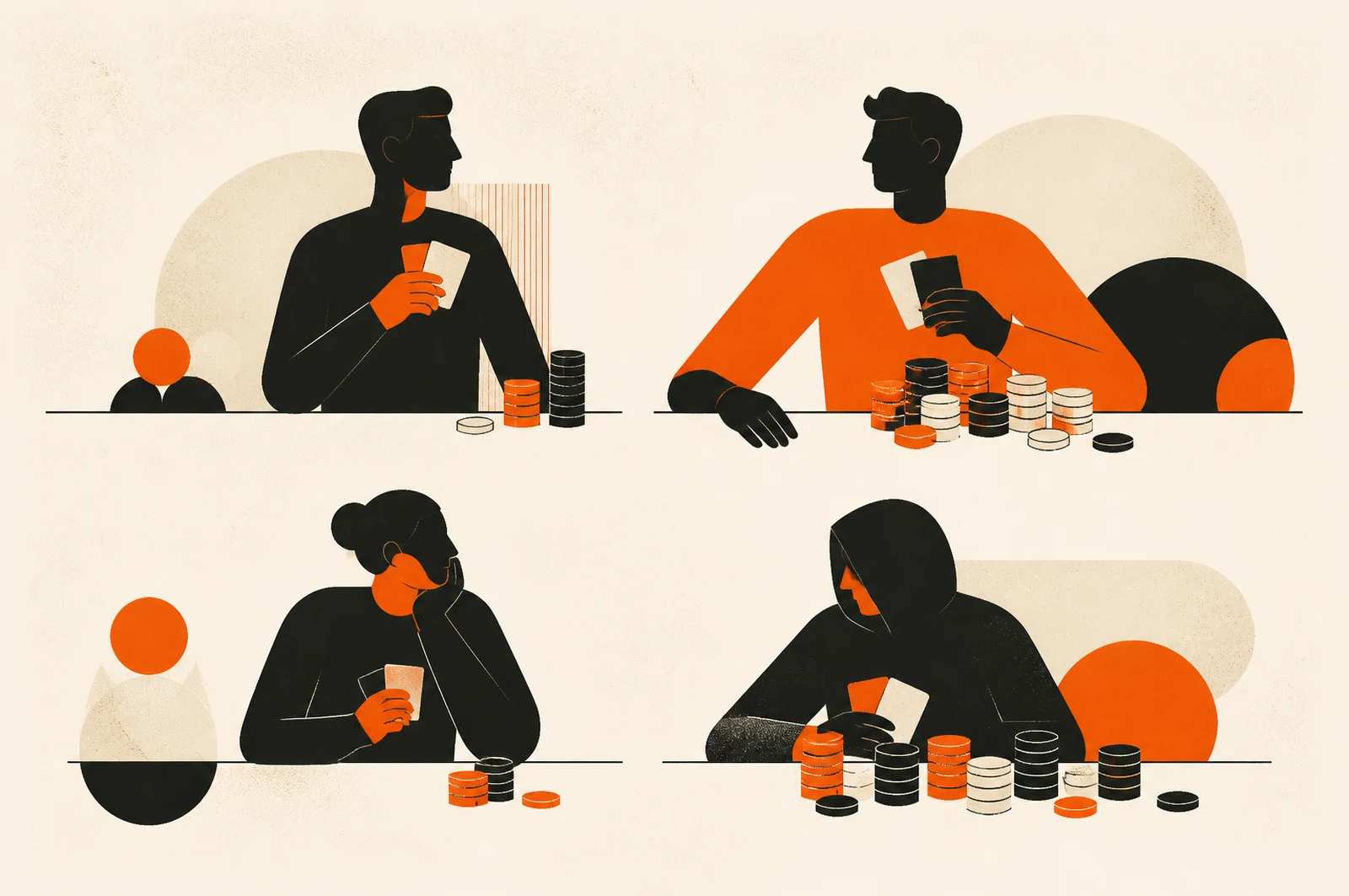
Poker Player Types: A Practical Guide to Reading and Adjusting
Learn the four practical poker player types, how tight/loose and passive/aggressive reads work, and how to adjust as new evidence arrives.
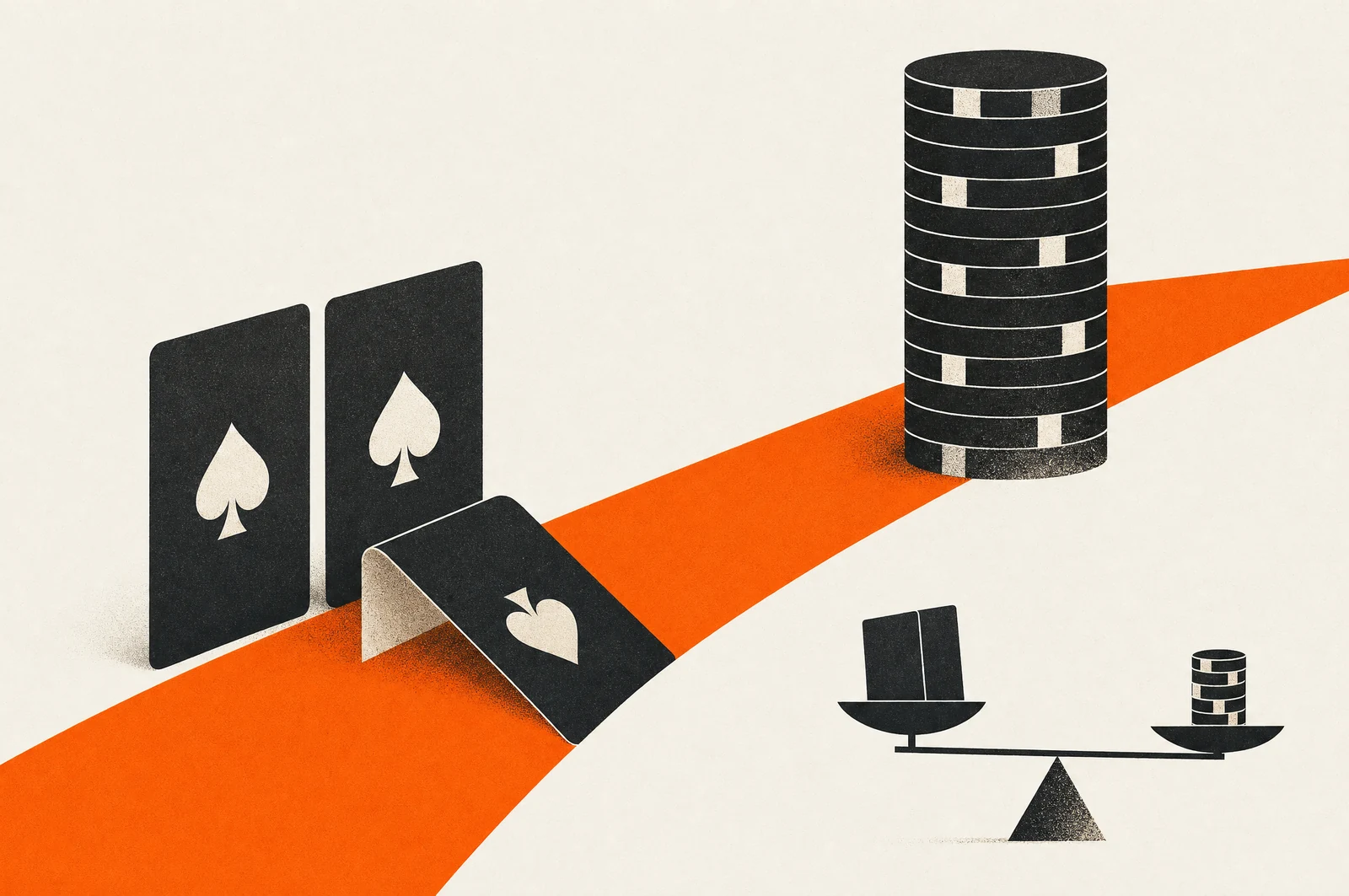 Guide · Strategy
When Should You Fold Top Pair on the Turn?
Learn when top pair should fold on the turn by pricing the call, reading the betting range, checking redraws and blockers, and planning the river.
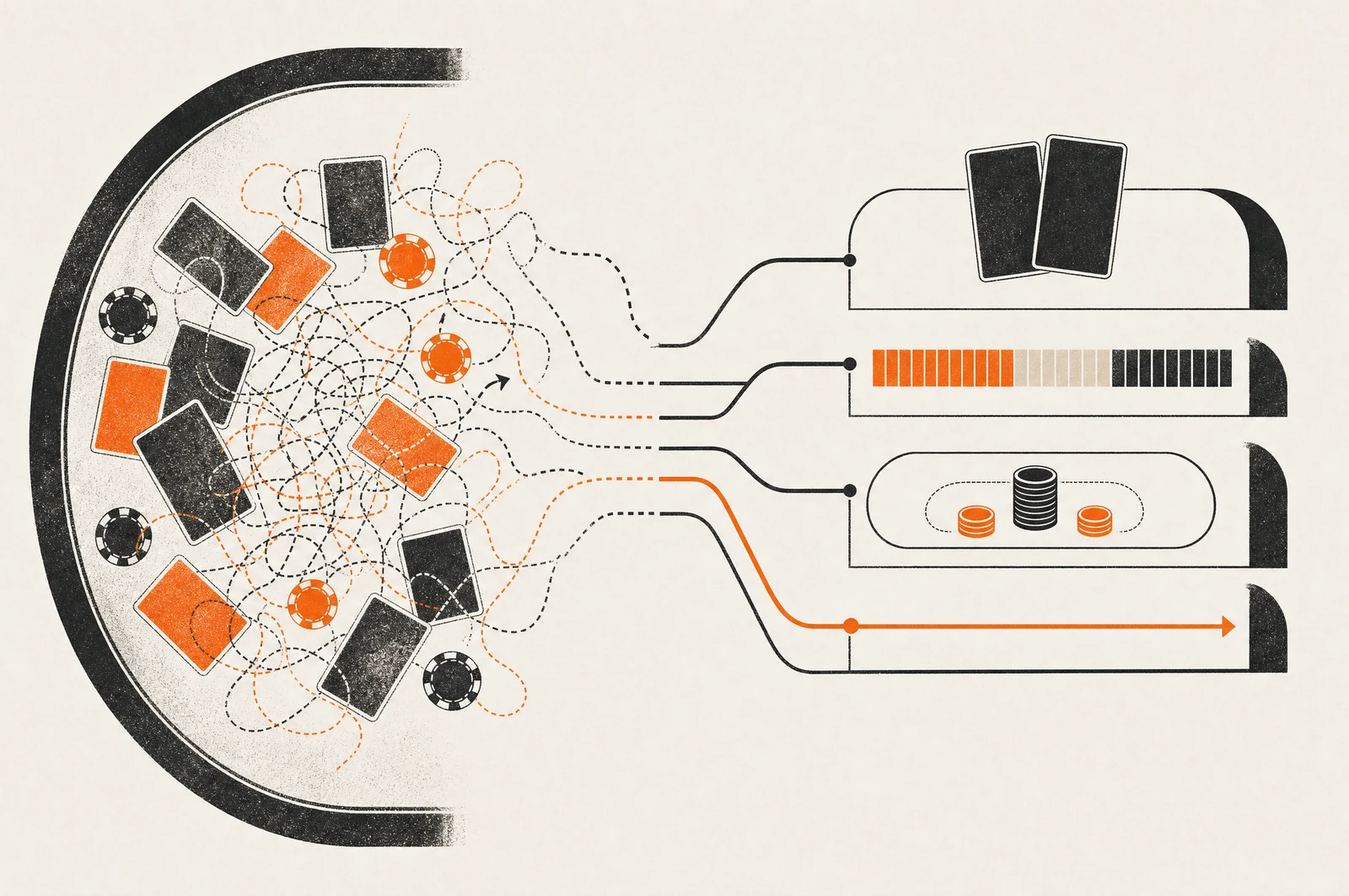 Guide · Strategy
How to Analyze a Poker Hand: A Practical Review Process
Use a repeatable poker hand analysis process: rebuild the spot, compare ranges, test the close decision, and turn the review into a useful rule.
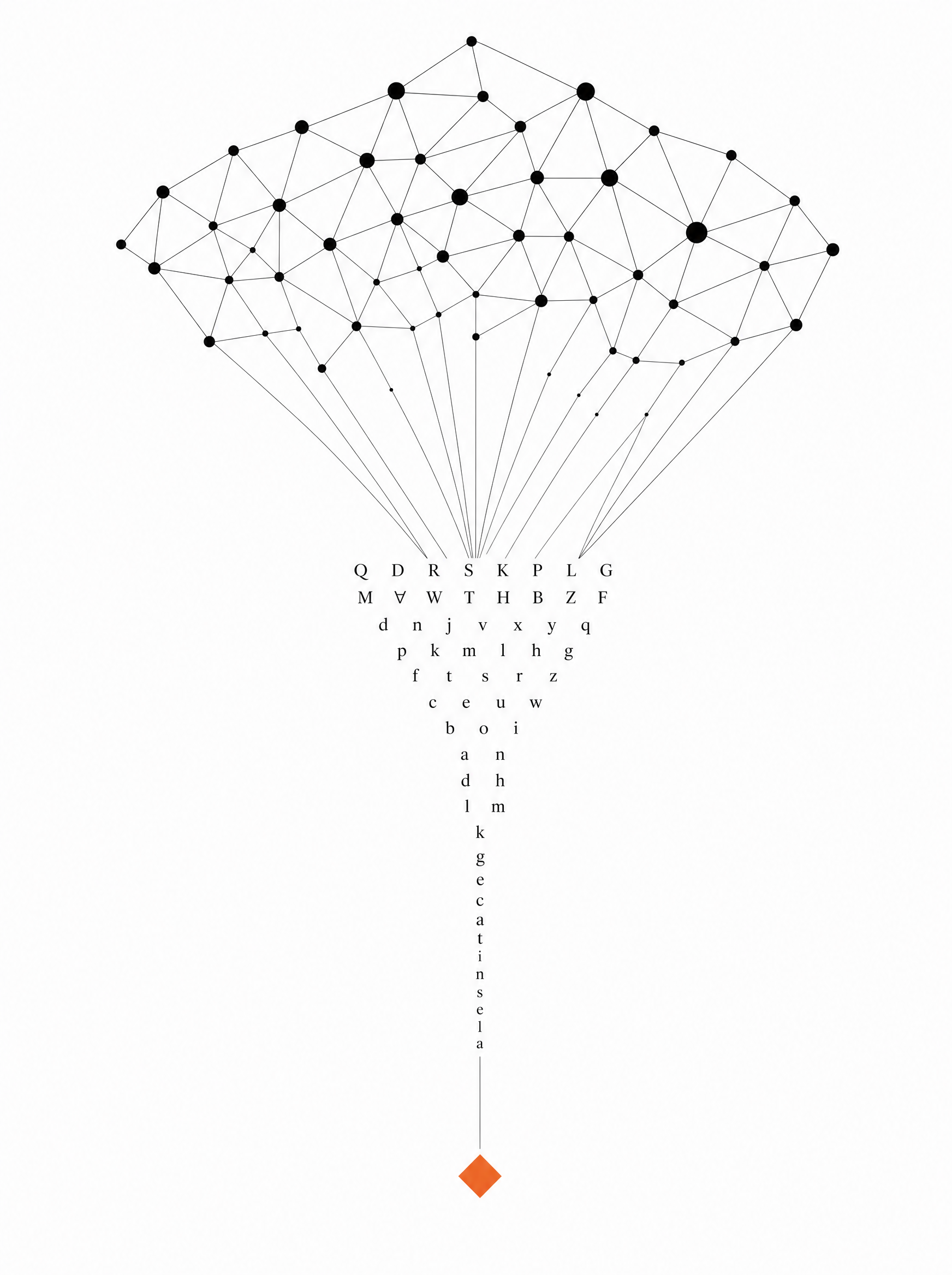 Railbird Labs · Research
The Alphabet Problem in Solver Explanation
A Railbird Labs note on learned geometry, strategic language, and why poker explanation is harder than policy imitation.
 Essay · Study
How to Understand Poker Strategy (Instead of Memorizing It)
Solvers show you what the right play is. They don't show you why it's right in a way that transfers to the next spot you've never seen before.